Unforgettable Political Moments Shaping the Middle East Today
Henry Bennett ·
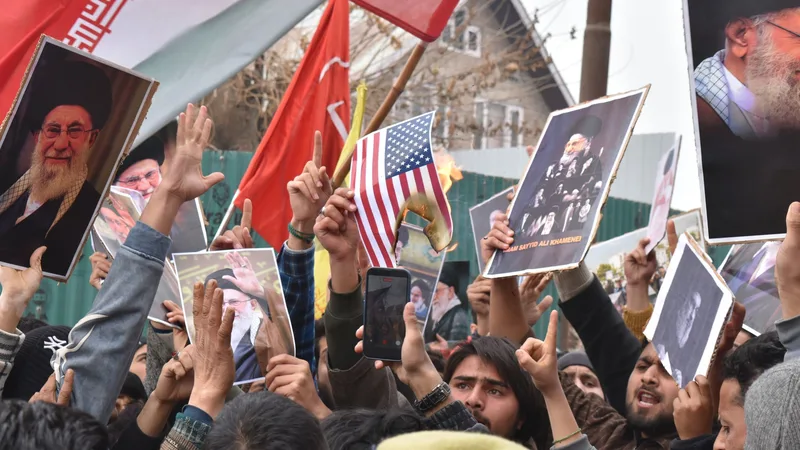
The Middle East has always been a region rich in political history, marked by events that have shaped the lives of millions. From revolutions to peace treaties, each moment resonates deeply within…
The Arab Spring: A Catalyst for Change
The Arab Spring marked a significant turning point in the political climate of the Middle East, igniting a wave of grassroots movements that sought to challenge longstanding regimes. This period, characterized by widespread protests and demands for democratic reforms, reshaped not only governments but also the very fabric of society. Citizens took to the streets, fueled by a collective desire for change, and their efforts have had lasting effects on the region's political dynamics. The voices of the people became powerful agents of transformation, leading to a re-evaluation of governance and accountability
As we reflect on the Arab Spring, we recognize how these grassroots movements have inspired cultural shifts across the region. Artists, writers, and musicians have responded to political upheaval by creating works that reflect the struggles and aspirations of their communities. The interplay between political activism and artistic expression has enriched local culture, allowing for a new generation of voices to emerge. This fusion of politics and art serves as a reminder of the resilience and creativity of people in the face of adversity.
Grassroots Movements and Their Impact
Grassroots activism has been crucial in reshaping political landscapes throughout the Middle East. Movements led by ordinary citizens have often succeeded in bringing about significant change, demonstrating the power of collective action. Many instances show these groups utilizing social media to mobilize support and raise awareness, showcasing the effectiveness of modern communication tools. The impact of these movements can be seen in the increased civic engagement and the demand for transparency and accountability from governments. As people continue to advocate for their rights, the legacy of the Arab Spring lives on.
Cultural Shifts in Response to Upheaval
The political changes brought about by the Arab Spring have influenced local art and expressions deeply. Artists have embraced themes of resistance, hope, and identity, using their work to comment on the societal shifts surrounding them. This newfound freedom of expression has led to a flourishing of creativity, with street art, music, and literature reflecting the aspirations of a generation. For many, art has become a means of protest and a way to keep the spirit of the revolution alive. The synergy between politics and culture is evident as communities navigate their evolving identities amidst ongoing challenges.
The Role of International Diplomacy
International diplomacy has played a pivotal role in shaping the political climate of the Middle East, particularly in the aftermath of the Arab Spring. Key treaties and agreements have defined relationships between nations, influencing everything from trade to security. The reception of these treaties at the local level often varies, reflecting the complexities of national interests and popular sentiment. As countries navigate their geopolitical landscapes, the impact of these diplomatic efforts can be felt in the everyday lives of citizens, shaping their perceptions of foreign relations.
Understanding the nuances of international diplomacy is essential for grasping the intricacies of Middle Eastern politics. The shifting alliances and partnerships can lead to significant changes in regional power dynamics. As these transformations unfold, local communities often find themselves caught in the crossfire of international negotiations. The interplay between diplomacy and domestic policy highlights the importance of informed citizenry in advocating for their interests. 🌍
Key Treaties and Their Local Reception
Major treaties have had far-reaching implications for the lives of people in the Middle East. Agreements regarding trade, security, and political cooperation can significantly alter the social fabric of communities. For instance, the normalization of relations between certain countries has sparked debates about identity and belonging among citizens. The local reception of these treaties often varies, with some embracing the opportunities they present while others express skepticism about their long-term effects. Understanding these dynamics is crucial for appreciating the ongoing evolution of political relationships in the region.
Changing Alliances and Their Cultural Reflections
The shifting alliances in the Middle East are often mirrored in local narratives and traditions. As countries realign their partnerships, communities adapt their cultural expressions to reflect these changes. This can be seen in the way stories are told, music is composed, and even in the fashion choices of individuals. The influences of foreign relationships can lead to a blending of cultures, resulting in new forms of artistic expression. As people navigate these transformations, they continue to assert their identities while embracing the complexities of a rapidly changing world.
The Influence of Social Media on Political Discourse
In recent years, social media has become a powerful tool in shaping the political landscape of the Middle East. Platforms like Twitter and Facebook have mobilized voices that might otherwise go unheard, enabling grassroots movements to flourish. As citizens engage in discussions about governance and reform, these platforms serve as a stage for expressing dissent and rallying support. Political discourse is no longer confined to traditional media; it’s amplified, dissected, and debated in real-time, often leading to significant political shifts.
This digital engagement is not just about politics; it intertwines with cultural expression, reflecting the diverse identities within the region. Analyzing the influence of social media makes it clear that these platforms are a microcosm of broader societal values and struggles. The interplay of politics and culture in online spaces encourages vibrant discourse that resonates with young audiences, who are eager to engage with contemporary issues. This cultural engagement fosters a sense of community and shared purpose.
Mobilizing Voices Through Digital Platforms
Grassroots political movements have gained momentum through social media, allowing individuals to coordinate protests, share information, and connect with like-minded citizens. The immediacy of digital communication has made it easier to organize events and disseminate messages quickly. For instance, during significant political events, hashtags can rally support and draw international attention. The power of a single tweet can amplify a message, leading to widespread mobilization across borders.
Cultural Engagement in Online Spaces
Online forums have become a space where politics and culture intersect, fostering rich discussions that resonate with the public. Users share art, literature, and music that reflect their political sentiments, creating a vibrant cultural exchange. These interactions often spark debates that transcend mere politics, exploring deeper societal issues. The blend of cultural expression with political activism not only enriches the discourse but also engages a wider audience, drawing in those who may not typically participate in political discussions.
Evening Gatherings: Where Politics Meets Leisure
In the evenings, local cafes and homes transform into hubs for political discourse. Friends and family gather over coffee to discuss the pressing issues of the day, sharing insights and differing opinions. These informal settings provide a relaxed environment where people feel comfortable expressing their views. As politics intertwines with daily life, these gatherings play a crucial role in shaping public opinion and fostering community ties.
As evening discussions unfold, the blend of leisure and political engagement becomes apparent. This cultural tradition of gathering not only strengthens social bonds but also encourages a more informed citizenry. It’s a time when people reflect on their experiences and the events shaping their lives. Interestingly, this environment has also paved the way for other forms of entertainment, including the rise of digital gaming.
Community Discussions Over Coffee
Evening gatherings over coffee serve as a microcosm of community sentiment, where political views are discussed openly. These discussions often reflect the broader societal context, allowing participants to voice frustrations and hopes. The relaxed atmosphere encourages honest conversation, making it easier for individuals to share their thoughts. This tradition enriches community ties, fostering a sense of belonging and shared responsibility. As people engage in these conversations, they not only discuss politics but also explore how these issues affect their daily lives.
The Rise of Digital Poker Tournaments
Recently, digital poker tournaments have gained popularity as a form of entertainment that resonates with local customs. As people gather online, they not only enjoy the thrill of the game but also connect with others in a casual setting. This trend reflects a shift in leisure activities, where traditional gatherings evolve into virtual spaces. The blend of competition and social interaction has made online poker appealing, especially among younger audiences. As players engage in these tournaments, they create a community that thrives on shared experiences and friendly rivalry.
Connecting Culture with Casino Entertainment in the Middle East
The Middle East is a region rich in history and cultural practices, where tradition intertwines with modernity in fascinating ways. As society evolves, so too do the leisure activities that capture the public's imagination. Recently, there has been a notable shift as traditional pastimes begin to adapt to contemporary gaming trends, particularly in the realm of casino entertainment. The allure of iGaming and digital poker tournaments is transforming how people engage in games of chance, drawing in both the young and the old. This intersection of culture and entertainment creates new opportunities for social connection and excitement.
With the rise of online platforms and digital gambling, many individuals are discovering new ways to partake in gaming from the comfort of their homes. In this context, traditional games are often reimagined, allowing players to experience familiar pastimes in innovative formats. As a result, we see a blending of the old and new, where local customs are preserved while embracing modern technologies. This cultural shift is not merely about entertainment; it reflects a deeper engagement with identity and community.
The Intersection of Tradition and Modern Gaming
Traditional games and modern gambling are finding common ground as the Middle East embraces new entertainment forms. For instance, card games that have been played for generations are now available in digital formats, allowing players to connect across distances. Local communities are seeing a growing trend of hosting digital poker tournaments, where friends and family can gather virtually for friendly competition. This adaptation honors the past while paving the way for future generations to enjoy these beloved activities in a new light. The excitement of competition is now enhanced by the accessibility of online platforms, making gaming a staple in social gatherings.
Regulatory Changes and Their Impact on Local Gamers
The evolving landscape of legislation surrounding gambling in the Middle East has significant implications for local gamers. Recent regulatory changes are shaping how iGaming is approached, with some countries taking steps to legalize and regulate online gambling activities. This shift has opened doors for new gaming opportunities while ensuring that players engage in a safe and secure environment. Understanding these changes is crucial for anyone looking to participate in digital poker tournaments or other forms of online gaming. As regulations become more defined, the potential for growth in the iGaming sector continues to expand, reflecting a changing attitude toward gambling in the region.