Ramadan: A Time for Reflection and Political Discourse
Henry Bennett ·
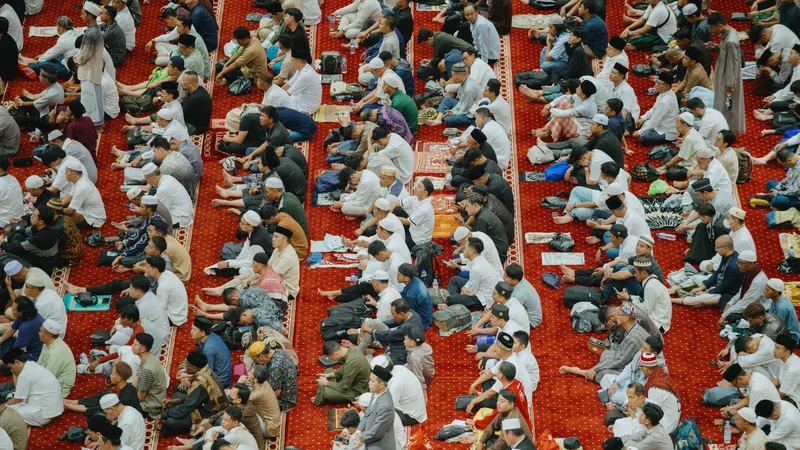
Ramadan is a sacred month for Muslims around the world, marked by fasting, prayer, and reflection. In the Middle East, it serves as a time for families and communities to come together, sharing meals…
The Role of Ramadan in Shaping Community Conversations
Ramadan serves as a focal point for community bonding and shared experiences across the Middle East. Families and friends gather for iftar, the meal that breaks the fast, creating a sense of unity. These communal meals are not just about nourishment; they foster connections and discussions that can shape the social and political climate of the region. As people come together to share their meals, they also share their thoughts, stories, and concerns, making it a time ripe for dialogue
As the sun sets and the call to prayer resonates, the atmosphere transforms. It’s a moment when people feel compelled to express their views and engage in political conversations. The significance of these gatherings extends beyond food; they serve as platforms for discussing pressing issues that affect communities. This year, as political tensions rise in various parts of the Middle East, conversations around iftar tables are likely to reflect the urgency of those challenges.
Gatherings During Iftar
Communal iftar meals are a cherished tradition that brings people together, allowing them to reconnect and share their experiences. Families often prepare elaborate dishes, and the spirit of generosity is palpable. Neighbors and friends are invited to join, reinforcing social bonds and encouraging open dialogue. It’s common to see tables laden with an array of foods, each dish carrying its own cultural significance. These gatherings not only satisfy hunger but also ignite conversations that can lead to deeper understanding and unity within communities.
Political Dialogues Emerge
The shared experience of breaking fast often sparks discussions that extend beyond daily life. At iftar, people feel more inclined to speak openly about political issues, sharing their perspectives on local governance, regional conflicts, and social justice. These dialogues can inspire collective action and awareness, highlighting the importance of community engagement during Ramadan. As conversations unfold, participants may feel a renewed sense of responsibility to participate in civic life, pushing for change and advocating for their rights.
How Ramadan Fosters Political Engagement
During Ramadan, the act of fasting is not merely a spiritual exercise; it often translates into heightened political awareness and activism. As individuals experience the discipline of fasting, they also reflect on broader social issues, leading to increased consciousness about their surroundings. This month encourages a collective introspection, prompting discussions about justice, equality, and the role of governance. The intersection of spirituality and social responsibility becomes particularly pronounced, as many feel a moral obligation to engage in political discourse.
Social media plays a crucial role in amplifying these conversations, providing a platform for voices that might otherwise go unheard. As people share their experiences and opinions online, the dialogue transcends geographical boundaries, creating a virtual community of activists and thinkers. This digital engagement complements traditional gatherings, allowing for a diverse array of perspectives to be shared. The power of social media during Ramadan can mobilize individuals and foster a sense of solidarity among those who seek change.
Increased Awareness and Activism
The discipline of fasting brings about a greater awareness of social injustices and disparities. As people experience hunger, they may empathize with those who face food insecurity year-round. This heightened sensitivity often translates into activism, with many feeling compelled to contribute to charitable causes or engage in community service. Ramadan serves as a catalyst for social change, encouraging individuals to take action in support of their communities. Whether through fundraising, volunteering, or advocating for policy reforms, the month inspires various forms of activism.
Social Media's Influence
The role of social media during Ramadan cannot be underestimated. Platforms like Twitter and Instagram become active hubs of discussion, where individuals share their thoughts on political issues and mobilize support for causes. Hashtags related to Ramadan themes often trend, drawing attention to social challenges and encouraging civic participation. In this digital age, the ability to connect and share information has transformed the way people engage with politics during this sacred time. It’s not uncommon for online discussions to lead to real-world actions, bridging the gap between virtual engagement and tangible change.
Evening Conversations: A Cultural Tradition
During Ramadan, evenings become a cherished time for connection and reflection, where families and friends gather to break their fasts and share meals. This period is not just about food; it’s a time for deep conversations and the exchange of ideas, especially regarding matters of local and regional significance. These evening gatherings foster a sense of community and belonging, as individuals engage in discussions that range from politics to personal stories. The ambiance of these gatherings creates a platform for meaningful dialogue, enriching the bonds between participants.
As the sun sets and the call to prayer fills the air, the magic of storytelling unfolds. Elders recount tales from their past, passing down wisdom and cultural heritage to younger generations. This storytelling tradition helps bridge the generational gap, allowing the youth to connect with their roots while keeping the spirit of their culture alive. Through these narratives, community values are reinforced, and a sense of identity is cultivated. In this way, evenings during Ramadan transform into a celebration of both family and tradition.
The Importance of the Evening Gathering
The evening gatherings during Ramadan serve as a vital link in strengthening community ties. These meetings allow for open discussions that can tackle pressing political issues or personal experiences, encouraging a sense of solidarity among participants. The warmth of shared meals enhances this connection, and laughter often punctuates the discussions, creating an atmosphere of camaraderie. As families come together, they share not just food but also their hopes and concerns for the future.
Bridging Generational Gaps
Storytelling plays a crucial role in these gatherings, facilitating the passing of knowledge and culture from one generation to the next. It allows older members of the community to share their experiences, imparting lessons learned from both triumphs and challenges. This exchange creates a rich shared history that younger generations can draw upon. In essence, it strengthens the fabric of the community, ensuring that the values and traditions of the past continue to thrive in the present.
Connecting Ramadan Reflections to Digital Poker Tournaments
As Ramadan unfolds with its rich traditions, the emergence of online gaming, particularly digital poker tournaments, has started to carve out a unique space in the social fabric of modern Middle Eastern life. While some might see this as a departure from traditional values, many are finding ways to incorporate it into their lives, especially during Ramadan evenings. The convenience of online platforms allows individuals to engage in friendly competition from the comfort of their homes, providing a new avenue for social interaction. This integration reflects a broader trend towards digital communal experiences that resonate well with younger audiences.
With technology bridging geographical divides, digital poker tournaments have gained traction among friends and family members who may be separated by distance. Players can join games online, fostering a sense of togetherness even when physically apart. The excitement of competition, paired with the opportunity for socializing, makes these tournaments appealing during the holy month. In many households, they serve as a modern twist on the traditional evening gatherings, offering a platform for both entertainment and connection.
Emergence of Online Gaming
The rise of online gaming during Ramadan signifies a shift in how communities interact and engage with each other. As digital platforms provide new spaces for connection, many are embracing these innovations as a way to maintain social bonds. Evening poker tournaments have become a popular choice among friends looking to unwind after a long day of fasting. The thrill of competition adds an element of excitement to the evening, transforming a simple gathering into an event to look forward to each week.
Cultural Acceptance of Gambling
While gambling has historically been viewed with skepticism in many cultures, there is a noticeable shift in attitudes towards gaming during Ramadan. As more people explore digital gambling options, the conversation around its acceptance is evolving. Many individuals are beginning to see poker and other games as a form of entertainment rather than vice. This changing perspective reflects the adaptability of cultural practices in the face of modern influences. The excitement of these digital poker tournaments brings a fresh approach to community interactions while respecting traditional values.
The Future of Community Engagement Post-Ramadan
As Ramadan draws to a close, communities across the Middle East reflect on the deeper meanings of the month, particularly in terms of political discourse. This sacred time has historically been a catalyst for discussions surrounding societal challenges and reforms. The shared experiences of fasting and prayers foster a sense of unity, making it easier for individuals to engage in dialogues about pressing political issues. As we transition out of Ramadan, it's essential to consider how these conversations can continue beyond the iftar tables and into our everyday lives.
One of the most significant aspects of sustaining political conversations post-Ramadan is the integration of various platforms that allow for ongoing dialogue. From community forums to social media discussions, there are numerous ways to keep these vital conversations alive. Engaging with local leaders and activists can also help maintain momentum, ensuring that the issues discussed during Ramadan are not forgotten. As we look to the future, the role of entertainment in facilitating these discussions becomes increasingly relevant.
Sustaining Political Conversations
Ramadan serves as a reminder of the importance of community and collective responsibility, particularly in the realm of political engagement. By fostering an environment where discussions can thrive, communities can create a lasting impact that extends beyond the holy month. Events that encourage participation and provide a safe space for dialogue can bridge gaps between different viewpoints. This is crucial for understanding and addressing the complexities of political issues that affect us all.
Integrating Entertainment with Social Issues
Casino entertainment, particularly through digital platforms, offers a unique opportunity to blend leisure with meaningful conversations. With the rise of digital poker tournaments and other online gaming experiences, there’s potential for engaging larger audiences in discussions about social issues. By incorporating themes related to community engagement or political awareness into these events, organizers can create a space where players not only enjoy themselves but also reflect on important topics. 🎲 For instance, tournaments could support local charities or highlight specific causes, making the experience both entertaining and impactful.